
Staff & patient safety
Deter, support de-escalation and document incidents. Violence-related injuries to healthcare workers rose between 2011 and 2018; cameras support a broader prevention and response program.
Video intelligence for medical facilities, clinics and doctors’ offices. Support staff and patient safety in waiting rooms, entrances and shared spaces—with privacy built into the deployment plan.
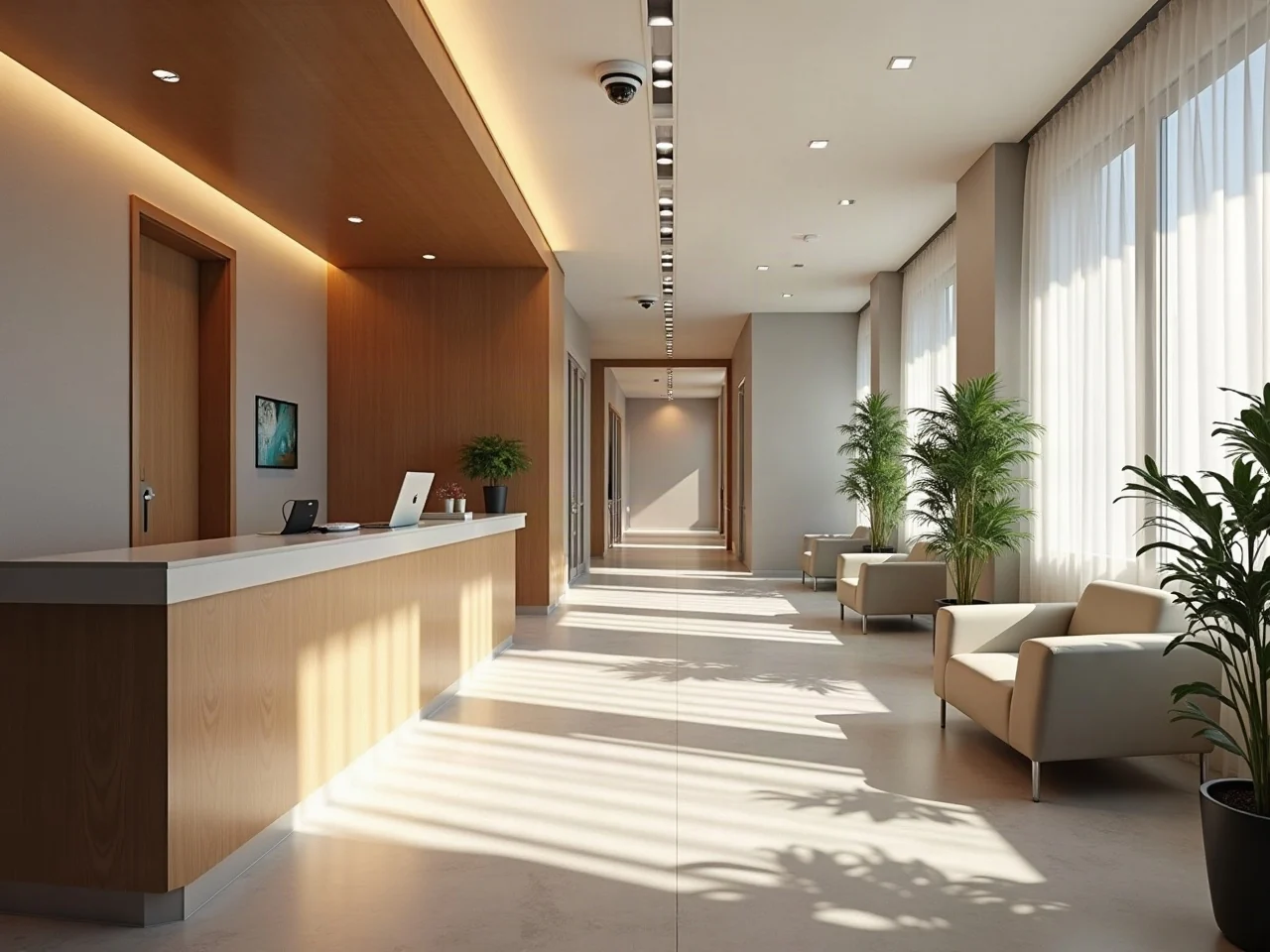
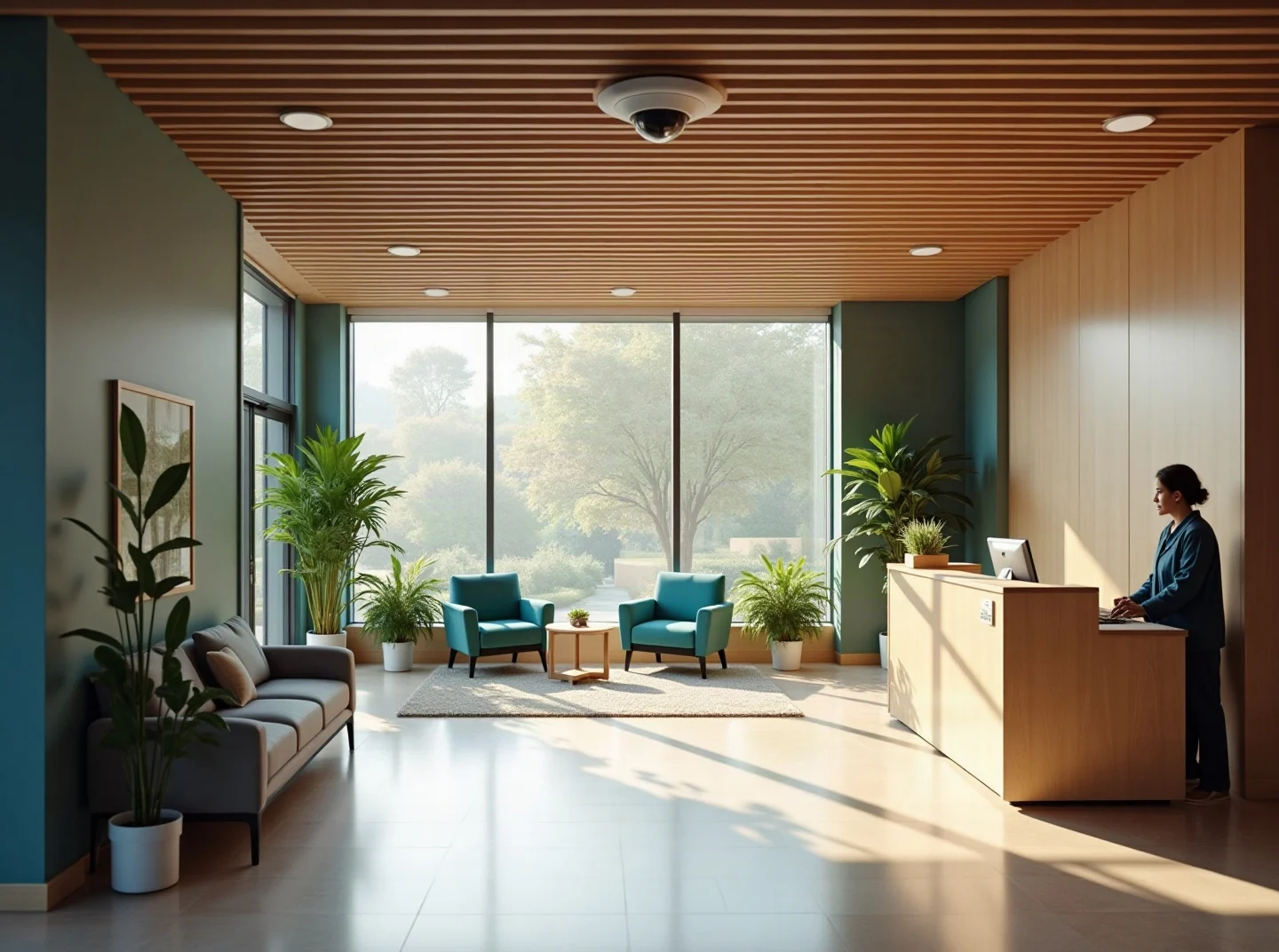 Safety & care, in the same frame.
Deter, support de-escalation and document incidents. Violence-related injuries to healthcare workers rose between 2011 and 2018; cameras support a broader prevention and response program.
Keep a clear view of entrances, reception and shared areas. Understand unexpected access without extending coverage into private clinical spaces.
Review what happened before and after an incident. Support a factual response with a defined evidence-preservation process.
Review busy periods and reception flow. Configured inbound counts provide an operational signal; automated wait-time analytics are planned.
Context: BLS: rising violence-related injuries, 2011–2018. Explore healthcare →
Waiting rooms, entrances and common areas only. Check sightlines, screens and doorways so private clinical activity stays outside the view.
Define authorized reviewers and legitimate purposes. Audit logging and access controls are required deployment gates, not an assumed property of the pilot.
Agree retention, review procedures and incident handling. Complete a HIPAA-aware assessment and validate safeguards before healthcare use.
Validate compatible cameras, storage, recording and remote access in a pilot. Calibrate analytics in the actual space, then expand only after the foundation works.
Explore the platformLive viewing, local playback, person detection and inbound counting form the current pilot. Cloud retention, business integrations and expanded analytics are planned and scoped separately.
Start with your cameras, your priorities and a practical pilot. We’ll help you map the next step.